
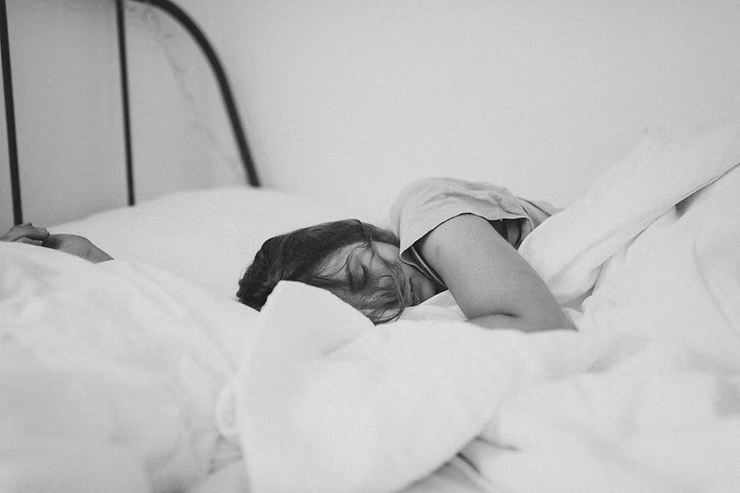
Most people who grind their teeth at night have no idea they are doing it. Bruxism happens during sleep, which means the person doing it is the last to know. What they do notice are the downstream effects: a dull headache that starts the morning, a jaw that feels stiff or sore before the day has even begun, teeth that seem to be getting more sensitive, or a partner who mentions the grinding sound in the night.
If any of those symptoms sound familiar, your teeth may be taking damage right now while you sleep. A custom night guard is a straightforward, non-invasive solution that protects your teeth, reduces muscle strain, and often resolves the symptoms entirely. The first step is recognizing the signs.
Here are the five most common indicators that you may need a night guard, even if no one has ever told you that you grind.
Sign 1: you wake up with headaches or jaw soreness
Waking up with a headache that you cannot explain is one of the most consistent early warning signs of bruxism. During grinding episodes, the jaw muscles contract with significant force for extended periods of time. The temporalis muscle, which runs along the side of the skull, is heavily involved in chewing and clenching. When it works hard for hours overnight, the result is the same kind of tension headache you would get from clenching your jaw all day under stress.
Many patients describe the headache as starting at the temples or behind the eyes and easing up as the morning progresses. That pattern is a strong indicator that the pain is muscular in origin and related to overnight activity rather than another cause.
Jaw soreness or stiffness in the morning follows the same logic. If your jaw feels tight, achy, or difficult to open fully when you first wake up, the muscles have been working hard while you slept. This is one of the clearest signs that something is happening while you are not aware of it.
The doctors at Winyah Dental Group can assess your jaw muscle tenderness and joint health during a routine visit to determine whether your symptoms are consistent with bruxism.
Sign 2: your teeth are becoming more sensitive or visibly shorter
Enamel is the hardest substance in the human body, but it is not indestructible and it does not regenerate. Teeth grinding wears it away gradually, and the effects accumulate over months and years before most people notice anything has changed.
Two changes tend to show up first. The first is increased sensitivity, particularly to temperature. As the enamel layer thins, the dentin beneath it becomes less insulated, and the nerve endings inside the tooth become more reactive to hot and cold. If teeth that never bothered you before have started to feel sensitive, that is worth paying attention to.
The second change is visible. When the biting edges of the front teeth begin to look flat, short, or chipped rather than naturally rounded and defined, enamel wear is almost always the explanation. Teeth that have been ground down lose the natural length and slight translucency at the edges that gives a smile its youth and vitality.
By the time these changes are clearly visible, significant enamel loss has already occurred. If your teeth have reached the point where structural damage needs to be repaired, our team can address that through operative dentistry or crowns before fitting you with a guard to prevent further damage going forward.
Sign 3: you have jaw clicking, popping, or pain when you chew
The temporomandibular joint, the TMJ, is the hinge that connects your jaw to your skull. It is one of the most frequently used joints in the body and one of the most sensitive to the chronic stress of overnight grinding and clenching.
Symptoms of TMJ strain include a clicking or popping sound when you open your mouth or chew, a sensation of the jaw catching or locking, pain or tenderness in front of the ear, and discomfort when eating hard or chewy foods. Some patients also notice a feeling that their bite does not feel quite right, as though the teeth are not meeting the way they used to.
These symptoms do not always mean the joint itself is damaged, but they do indicate that the surrounding muscles and connective tissue are under strain. Left untreated, TMJ dysfunction can become a chronic and difficult to manage condition. Addressing the bruxism that is driving it, often with a night guard, is the most direct way to reduce that strain and allow the joint and muscles to recover.
If you are experiencing jaw pain that feels urgent or is significantly affecting your daily function, contact our team at Winyah Dental Group and we will get you seen promptly.
Sign 4: your sleep is restless or you wake up feeling unrefreshed
Bruxism and poor sleep quality have a well-documented bidirectional relationship. Grinding episodes are most frequent during lighter stages of sleep and are associated with micro-arousals, brief interruptions in the sleep cycle that prevent the deeper, restorative stages of sleep from completing. Many bruxism patients do not fully wake up during these episodes but they do not sleep deeply either, which is why they wake up feeling unrefreshed despite spending enough hours in bed.
Stress is the most significant driver of this pattern, and it is worth naming directly: life along the South Carolina coast may look relaxed from the outside, but the reality for many residents and seasonal workers in Georgetown and Pawleys Island involves significant financial, seasonal, and professional pressures. Hospitality, healthcare, construction, and small business ownership all carry chronic stress loads that manifest physically during sleep. Bruxism is one of the most common physical expressions of that unresolved tension.
If you have noticed that your sleep feels lighter or less satisfying than it used to, and you also experience any of the other symptoms on this list, the connection between your jaw and your sleep quality is worth exploring. A night guard will not resolve the underlying stress, but it can significantly reduce the physical damage and the sleep disruption that grinding causes.
Sign 5: a partner, family member, or roommate has heard you grinding
This one is the most direct form of evidence available. Bruxism can produce an audible grinding sound that is often loud enough to wake a partner. If someone who shares a sleeping space with you has mentioned hearing a grinding or crunching sound at night, that is as close to a confirmed diagnosis as you can get before seeing a dentist.
Many patients dismiss this information when they first hear it, often because they have no memory of the grinding and cannot reconcile the report with their own experience. The absence of a memory is not evidence that it is not happening. Bruxism occurs during sleep and produces no sensation that reaches conscious awareness, which is precisely why it goes undetected for so long.
If this feedback has been shared with you and you have been putting off acting on it, this is a good moment to schedule a routine dental visit and mention it to your provider. Your teeth will show the physical evidence even if you have no symptoms yet.
Why a custom night guard is worth it
Over-the-counter mouth guards are available at most pharmacies and they are better than nothing. But they are not custom fitted to your bite, which means they can shift during the night, alter your bite alignment, and in some cases actually worsen jaw muscle activity because the brain senses the ill-fitting appliance and responds by clenching harder.
A custom night guard made from a precise impression of your teeth fits exactly, distributes bite force evenly, and does not interfere with your bite relationship. The difference in comfort and effectiveness is significant, and patients who have tried both consistently prefer the custom option.
At Winyah Dental Group, we use digital scanning technology to capture an accurate impression of your teeth without the discomfort of traditional impression material. That scan produces a night guard that fits precisely from the first night you wear it.
What happens if bruxism goes untreated?
The consequences of untreated teeth grinding compound over time. Enamel that wears away does not come back. Teeth that crack or fracture under the repeated stress of grinding require significant restorative work to repair. The TMJ strain that starts as occasional clicking can progress to chronic pain that is difficult to resolve. And the sleep disruption that grinding causes accumulates into a chronic fatigue that affects concentration, mood, and overall health.
None of this is meant to alarm. Bruxism is extremely common and very manageable when it is identified and addressed early. A night guard is a simple, durable, non-invasive solution that addresses the problem at the source. The key is not waiting until the damage is advanced enough to require more significant treatment.
Frequently asked questions about teeth grinding and night guards
How do I know if I grind my teeth at night?
The most common indicators are waking up with headaches or jaw soreness, teeth that are becoming more sensitive or visibly shorter at the edges, clicking or pain in the jaw joint, restless sleep, and a report from a partner that they have heard grinding sounds at night. A dentist can also identify the signs of bruxism by examining the wear patterns on your teeth during a routine visit.
What is a night guard and how does it work?
A night guard is a custom-fitted dental appliance worn over the teeth during sleep. It creates a protective barrier between the upper and lower teeth so that the grinding force is absorbed by the guard rather than by the tooth enamel. It also reduces the intensity of jaw muscle contractions during clenching episodes, which helps relieve the headaches and jaw soreness that bruxism causes.
Can stress cause teeth grinding?
Yes. Stress is the most significant identified trigger for bruxism. Teeth grinding and clenching are physical expressions of unresolved tension, and they most commonly occur during sleep when the conscious mind is not regulating jaw muscle activity. High-stress occupations, life transitions, anxiety, and poor sleep quality are all associated with increased bruxism frequency and severity.
Is a custom night guard better than one from the pharmacy?
Yes, meaningfully so. Over-the-counter guards are not fitted to your specific bite and can shift during sleep, cause discomfort, and in some cases worsen clenching by creating an uneven bite surface. A custom night guard made from a precise scan or impression of your teeth fits exactly, distributes force evenly, and is significantly more comfortable to wear consistently.
Can children grind their teeth?
Yes. Bruxism is actually quite common in children, particularly during periods of tooth development and during stressful periods like starting school. Most children outgrow it as their adult teeth come in, but it is worth mentioning to your dentist if you notice it so the teeth can be monitored for wear.
Will a night guard stop my headaches?
For headaches that are caused or worsened by overnight teeth grinding and jaw clenching, a properly fitted night guard often provides significant relief. Many patients report a noticeable reduction in morning headache frequency within the first few weeks of consistent night guard use. If headaches persist or are severe, a medical evaluation is appropriate to rule out other contributing factors.
How long does a custom night guard last?
A well-made custom night guard typically lasts three to five years depending on the severity of grinding. Heavy grinders may wear through a guard more quickly. Your dentist will check the condition of your guard at routine visits and recommend replacement when the material has worn down enough to reduce its protective effectiveness.
If any of the signs in this post sound familiar, the most useful next step is a simple dental evaluation. The team at Winyah Dental Group can assess your teeth for wear, evaluate your jaw joint, and let you know whether a custom night guard is right for you. We see patients at our Georgetown and Pawleys Island locations.
Book an appointment — Pawleys Island | Book an appointment — Georgetown