
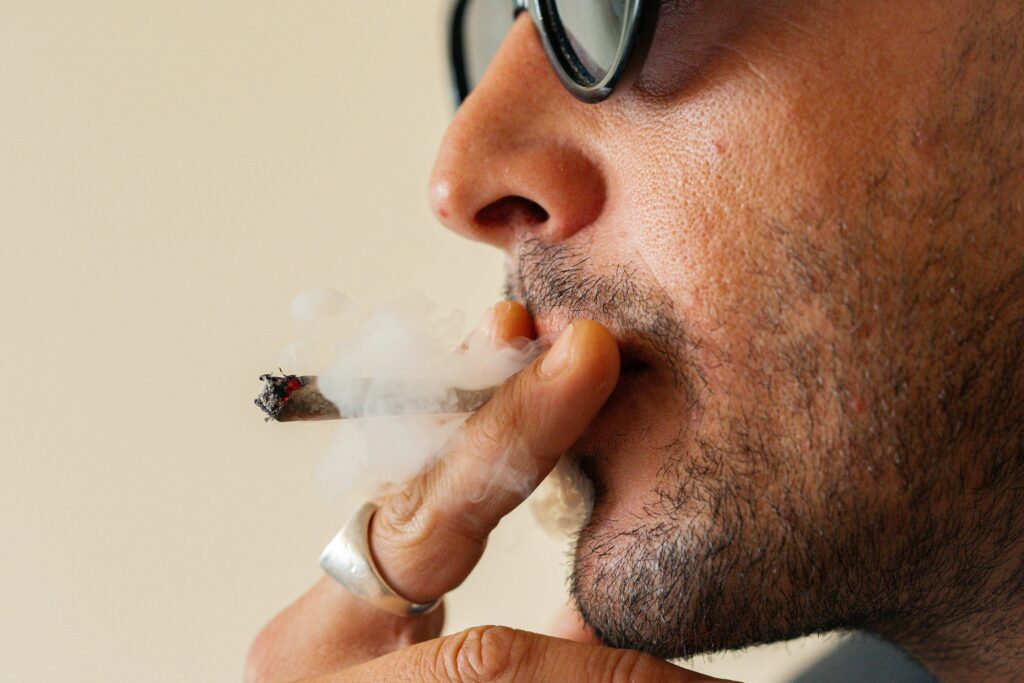
Quick answer: Smoking roughly doubles your risk of gum disease. It weakens your immune system, slows healing and hides warning signs like bleeding gums. When you quit, your gums start to heal, treatment works better, and over time your risk of tooth loss falls to about that of someone who never smoked.
Thursday, November 19, 2026 is the 50th Great American Smokeout, the American Cancer Society’s yearly invitation to quit for one day and use it as day one. If you’re planning to try, here’s what quitting does for your mouth, from the dentists at Winyah Dental Group.
How does smoking cause gum disease?
Gum disease (periodontal disease) is an infection of the gums and the bone that holds your teeth in place. Smoking makes it more likely and more severe in three ways:
- It weakens your immune response. Your body has a harder time fighting the bacteria that infect your gums.
- It reduces blood flow to your gums. Less oxygen and fewer nutrients reach the tissue, so it heals slowly.
- It hides the warning signs. Healthy gums bleed when they’re inflamed, but smoking can mask that bleeding, so gum disease often goes unnoticed until it’s advanced.
According to the CDC, smokers are twice as likely as nonsmokers to have gum disease. The longer you smoke, the higher the risk, and gum disease treatment may not work as well while you’re still smoking.
What else does smoking do to your teeth and mouth?
- Stained teeth and bad breath from tar and nicotine
- Slower healing after extractions, gum treatment and implant surgery
- Higher risk of dental implant failure, because implants need healthy bone and gums to fuse properly
- Tooth loss, mostly from advanced gum disease
- Oral cancer. Tobacco in any form, including cigarettes, cigars, pipes, chew and snuff, is a major risk factor for cancers of the mouth and throat.
What happens to your mouth after you quit smoking?
Your mouth starts responding sooner than most people expect:
- Within days: Blood flow and oxygen to your gums improve. Your senses of taste and smell begin to come back.
- Within weeks: Your gums may bleed more when you brush. That’s normal. It’s healthy tissue responding to inflammation again, and a sign to have your gums checked.
- Within months: Gum tissue heals better, and periodontal treatment becomes more effective.
- Over the years: Your risk of tooth loss drops toward that of people who never smoked, and your oral cancer risk falls the longer you stay smoke-free.
Does vaping hurt your gums too?
E-cigarettes still deliver nicotine, which constricts blood vessels in your gums and can dry out your mouth. Researchers are still studying the long-term effects, but vaping isn’t a risk-free choice for your oral health. If you’re switching to quit, tell your dentist so we can watch your gums closely.
How your dentist can help you quit
Your dental visits are a good checkpoint on your quit journey. At Winyah Dental Group we can:
- Check your gums for early gum disease and treat it with a deep cleaning (scaling and root planing) if needed
- Do an oral cancer screening at your exam, which is quick and painless
- Remove tobacco stains with a professional cleaning, and talk with you about teeth whitening once you’ve quit, as a reward for your new smile
- Plan tooth replacement, such as dental implants, once your gums are healthy
Free help to quit smoking
- 1-800-QUIT-NOW (1-800-784-8669): a free quitline that connects you with a coach in your state
- American Cancer Society: 1-800-227-2345 or cancer.org/smokeout
- Your doctor: ask about nicotine replacement and prescription options
Frequently asked questions
Can gum disease from smoking be reversed? Early gum disease (gingivitis) can often be reversed with a professional cleaning and good home care. Advanced gum disease can’t be fully undone, but treatment can stop it from getting worse, and quitting helps treatment work.
Why do my gums bleed more after I quit smoking? Smoking restricts blood flow and hides bleeding. When you quit, circulation improves and your gums show inflammation that was already there. See your dentist if the bleeding lasts more than a couple of weeks.
Will my teeth get whiter if I stop smoking? New stains stop forming, but existing stains usually need a professional cleaning or whitening to remove.
Can smokers get dental implants? Often, yes, but smoking raises the risk of implant failure. Quitting before and after implant surgery improves your odds of success.
How often should smokers see the dentist? At least twice a year. Your dentist may suggest more frequent cleanings if you have signs of gum disease.
Make November 19 your day one
Your 2026 dental benefits are already paid for through your premiums, so use them. Request an appointment online, or call our Georgetown office at (843) 545-1295 or our Pawleys Island office at (843) 314-3935.
Related reading: Use It or Lose It: How to Max Out Your Dental Insurance Before December 31