
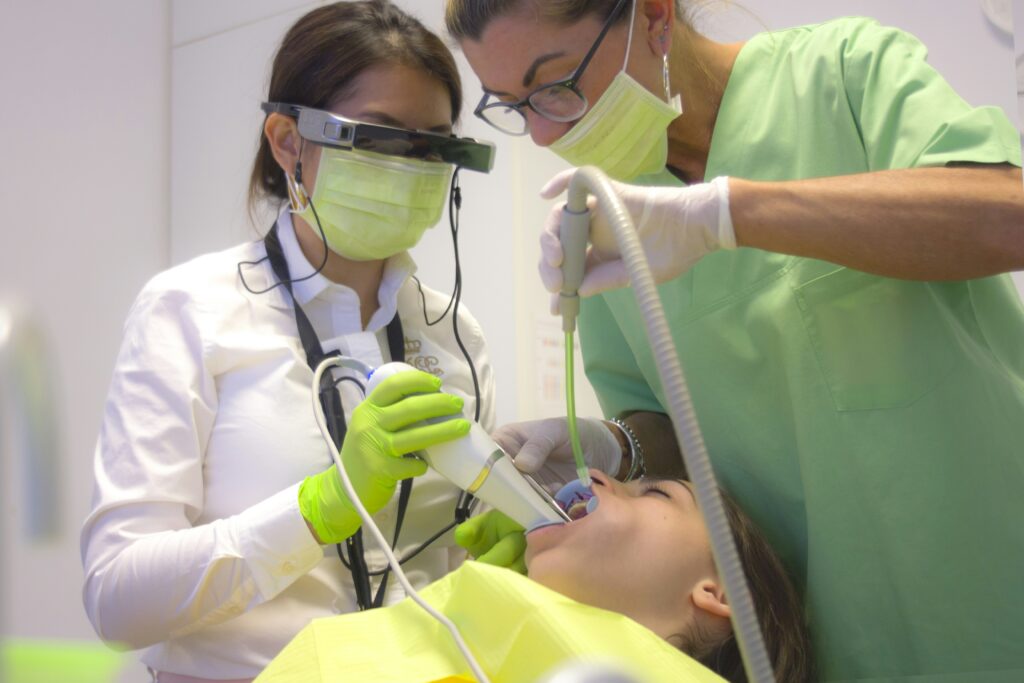
Quick answer: Sedation dentistry uses medication to help you relax during dental treatment. The options range from minimal sedation, where you’re awake but calm, to moderate sedation, where you’re very relaxed and may remember little, to deep sedation, where you’re on the edge of sleep. When it’s given by a trained dentist with proper monitoring, dental sedation has a strong safety record. It can make it possible for anxious patients to get the care they’ve been putting off.
If the thought of a dental visit makes your heart race, you’re far from alone. Dental anxiety is one of the most common reasons people delay care, and small problems turn into big ones while they wait. At Winyah Dental Group, we offer sedation dentistry {link: Sedation Dentistry} so you can get the care you need comfortably.
How common is dental anxiety?
Very common. A 2025 study in the Journal of the American Dental Association found that about 73% of U.S. adults report at least moderate fear of the dentist, and about 27% describe their fear as severe. If you feel nervous, you’re in the majority, and nobody here will judge you for it.
Common triggers include:
- A painful or frightening experience in the past
- Fear of needles or drills
- A strong gag reflex
- Feeling a loss of control in the chair
- Embarrassment about the condition of your teeth
What are the levels of dental sedation?
| Level | How it’s given | How you’ll feel | Driving after? |
|---|---|---|---|
| Minimal | Nitrous oxide (“laughing gas”) through a nose mask | Awake, relaxed, light-headed; wears off within minutes | Usually yes |
| Moderate | A pill taken before your visit, or IV medication | Deeply relaxed, drowsy, may remember little | No; you need a driver |
| Deep | IV medication | On the edge of sleep, little or no memory of the visit | No; you need a driver and someone at home |
You’ll still get local anesthetic to numb the area. Sedation handles the anxiety, and the anesthetic handles the pain.
Is dental sedation safe?
For most healthy adults, yes, when it’s given by a properly trained dentist. Safety comes from three things:
- Screening first. We review your health history, medications and any conditions like sleep apnea, heart disease or diabetes before recommending a level.
- Monitoring during treatment. We track your oxygen level, heart rate and breathing throughout.
- Clear aftercare. You’ll get written instructions, and for moderate or deep sedation, a trusted adult must drive you home.
Tell us about every medication and supplement you take, including over-the-counter ones.
Who is sedation dentistry for?
Sedation can help if you:
- Feel anxious or afraid of dental visits
- Have a strong gag reflex or sensitive teeth
- Have trouble getting numb
- Need a long or complex procedure, like dental implants {link: Dental Implants} or multiple extractions {link: Extractions}
- Want to get several treatments done in one visit
- Have trouble sitting still for long periods
What to expect on the day of your sedation appointment
Before: Follow your instructions about eating and drinking. For moderate and deep sedation, you’ll usually need to skip food for several hours. Wear comfortable clothes and arrange your ride.
During: We’ll check your vital signs, give the sedative, and wait until you’re relaxed before we start. You’ll be monitored the entire time.
After: Plan to rest for the remainder of the day. Don’t drive, drink alcohol or make important decisions until the next day after moderate or deep sedation.
Tips for managing dental anxiety (with or without sedation)
- Tell us you’re nervous. We’ll explain each step before we do it.
- Agree on a stop signal, like raising your hand.
- Bring headphones and your favorite music or podcast.
- Book a morning appointment so you don’t spend the day worrying.
- Start small. A cleaning and exam is a great first step toward bigger treatment.
Frequently asked questions
Will I be asleep during sedation dentistry? With minimal and moderate sedation you’re awake but relaxed, although many patients remember little afterward. Deep sedation brings you close to sleep.
Does insurance cover dental sedation? Some plans cover sedation for certain procedures, like oral surgery. We’ll check your benefits and explain any costs before treatment.
Can I drive home after sedation? After nitrous oxide, usually yes. After oral or IV sedation, no. You’ll need a trusted adult to drive you.
How long does dental sedation last? Nitrous oxide wears off within minutes. Oral and IV sedation can leave you drowsy for several hours, so plan to rest the remainder of the day.
What is “sleep dentistry”? It’s a common name for deeper levels of sedation where you have little or no memory of the procedure.
Take the first step
You deserve a dental experience that feels safe and comfortable. Request an appointment {link: Contact} and tell us you’d like to talk about sedation, or call our Georgetown office {link: Georgetown Office} at (843) 545-1295 or our Pawleys Island office {link: Pawleys Island Office} at (843) 314-3935.
Related reading: What Counts as a Dental Emergency {link: Blog: What Counts as a Dental Emergency}